
Illinois Wanted Fugitive Sources
Illinois has no single official gallery of wanted people. No state page pulls together county, state, and federal cases under one roof. The closest state-level source with photos comes from IDOC, the Department of Corrections. Its wanted-fugitives page lists people tied to correctional matters, such as absconding or fugitive warrants. Someone pictured there may have no fresh county arrest on file. The entry itself rarely spells out every detail behind the search.
The agency posts a caution of its own. Details can change at any hour. So rely on the live page and its reporting steps. A saved name or face is not enough.
Other outlets play narrower parts. Illinois State Police takes tips on wanted persons and crimes through ISP Tips. It runs no statewide photo roster. The U.S. Marshals Service keeps its 15 Most Wanted program plus district fugitive pages. Illinois falls under Northern, Central, and Southern Districts. A district page can sit empty while local fugitive work still moves ahead. County sheriff notices stand apart from all of these. Each must be checked with the county that issued it.
Illinois Busted Fugitive Lists
Match the list to the case and the agency behind it. Names, photos, and district pages can change without warning. Photos stay on the official publisher's own page.
| Source | Who runs it | Photo or role | Official route |
|---|---|---|---|
| Wanted Fugitives | Illinois Department of Corrections | Correctional fugitive and absconder matters; the live page may include agency-supplied identifying information. | IDOC Wanted Fugitives |
| ISP Tips | Illinois State Police | Tip intake route, not a confirmed statewide public photo gallery. | ISP Tips |
| 15 Most Wanted | U.S. Marshals Service | Federal fugitive program; it is not a list of every Illinois county warrant. | USMS 15 Most Wanted |
| District fugitive notices | U.S. Marshals Service districts | Federal, district-based information; a blank profile page does not mean no fugitive work exists. | USMS district directory |
| County notices | Individual Illinois sheriffs or police agencies | Local, agency-specific entries; locate the issuing county and confirm the notice there. | Illinois County Directory |
Labels matter here. IDOC deals with correctional custody matters. USMS handles federal fugitive work. Neither one substitutes for a county court or sheriff when a local warrant needs checking.
IDOC also runs a custody search, which is a separate tool from its wanted-fugitives page. The official Individual in Custody Search pulls up state-prison profiles, not every person a county might want.
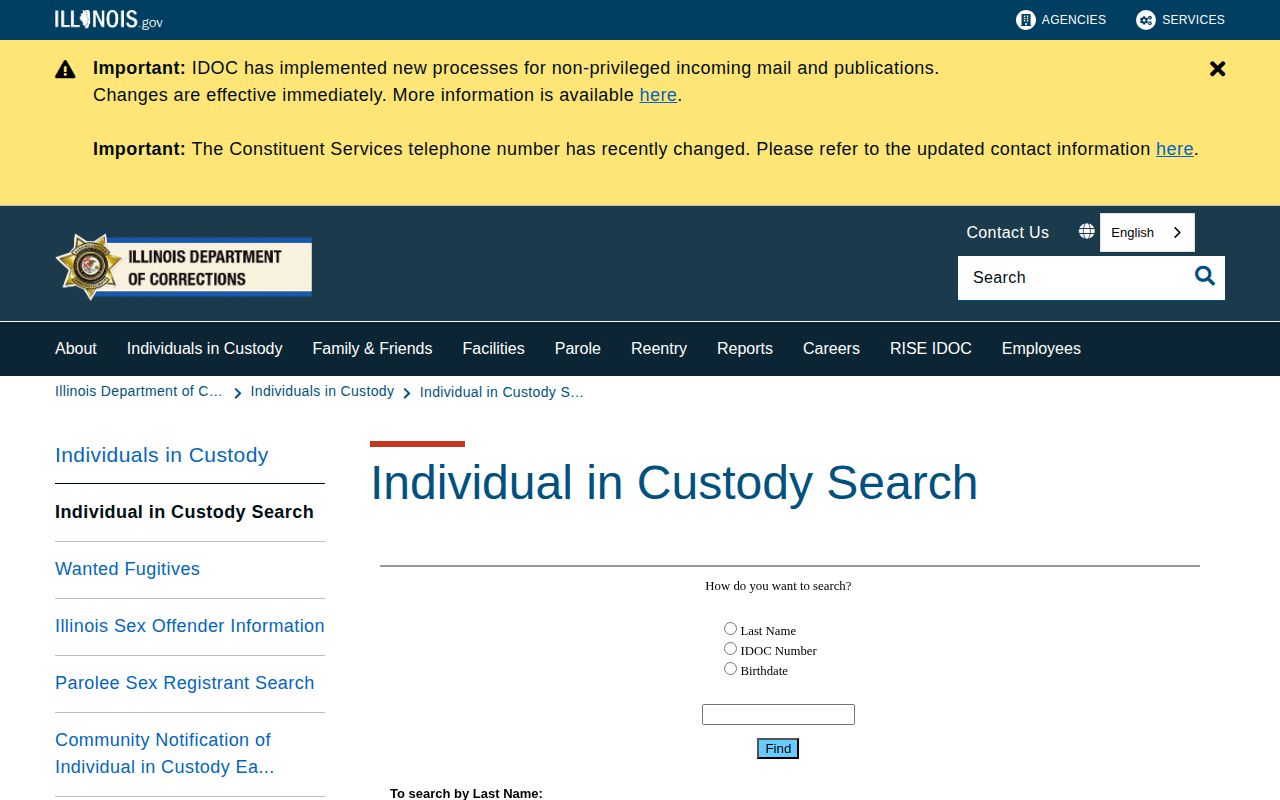
The state search form appears here without individual results; the wanted page carries any current fugitive notice. Federal wanted data is a different animal from prison custody. The Bureau of Prisons locator checks federal incarceration by name or register number, and it offers no public photo gallery.
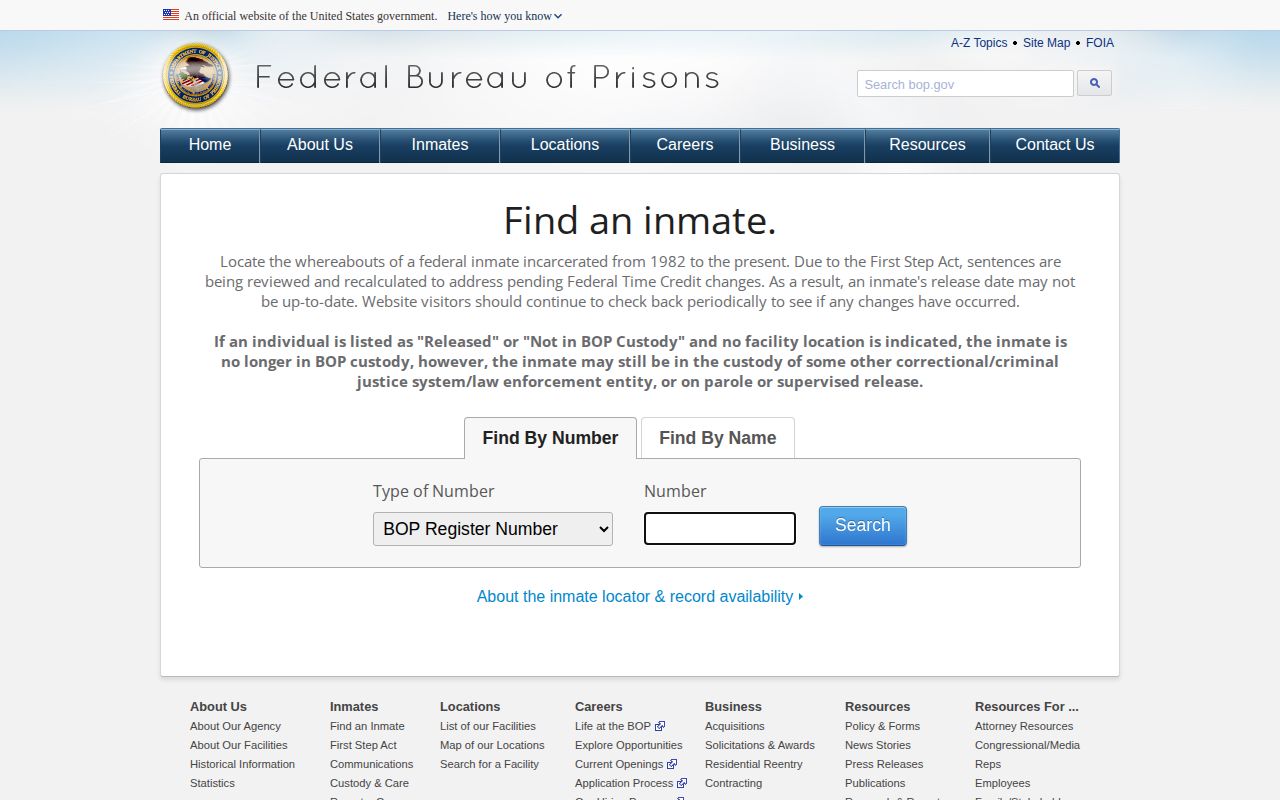
A BOP result only means federal custody. It says nothing about an active warrant or wanted status.
Illinois Busted Listing Fields
A wanted notice is a message from an agency, not a booking record. Formats vary. Illinois has no single shared wanted-list layout or update schedule. So check which fields the publisher actually supplies. Note what is missing, too. Few agencies post every item.
| Item to check | What to confirm |
|---|---|
| Publishing agency | Whether the notice comes from IDOC, a federal district, a county sheriff, or another identified office. |
| Name and identifier | Whether the agency provides an IDOC number, case detail, or another way to distinguish people with similar names. |
| Photo or image | Whether the live official page includes an agency-supplied photo; do not copy a face from a repost. |
| Current status | Whether the notice shows a date or status and whether the agency confirms it remains active. |
| Reporting instructions | The current phone or web channel the agency asks the public to use. |
A name or photo alone proves little. IDOC's own page warns that details can change. A public profile may be revised or dropped at any time. Always verify the entry at its source before you send a tip. Let the agency decide whether the person and case truly match.
Illinois Statewide Tip Routes
Route tips to the agency that posted the notice. The IDOC wanted page lists its current reporting number and handling steps; rely on the page itself, since numbers and status shift. For non-emergency information, ISP Tips accepts submissions online. That form is not for emergencies. Call 911 when danger is immediate. USMS posts contact information for verified federal fugitive tips. No agency here promises statewide anonymity or a reward, so assume neither unless it says so.
- Open the official notice and confirm that the agency still lists the person or matter.
- Use only the current phone or web route named by that agency. Do not send private details to a third-party repost.
- Give the agency the facts you know and make clear what you saw directly versus what you heard from someone else.
- For an immediate threat or emergency, call 911 rather than using a non-emergency tip form.
- Do not contact, follow, confront, or attempt to detain the person.
Federal matter? Call 1-877-WANTED-2. The U.S. Marshals Service runs that tip line and takes verified information. Its official page posts the current district and instructions, and any reward or confidentiality terms come only from the agency, never a reposted page.
Illinois Busted Warrant Checks
A wanted list is a curated showcase. It shows only the cases an agency picks to feature. A warrant check works differently: it asks whether a court or law-enforcement agency holds an active order in a specific matter. Illinois offers no complete statewide public warrant screen. So start local. Check the county and court tied to the case, then confirm with the clerk or the issuing agency, because a name-only web result cannot establish that a warrant exists.
The Illinois Courts county map helps you find the right circuit court and clerk. It routes you to the local court. It is not a statewide warrant database.
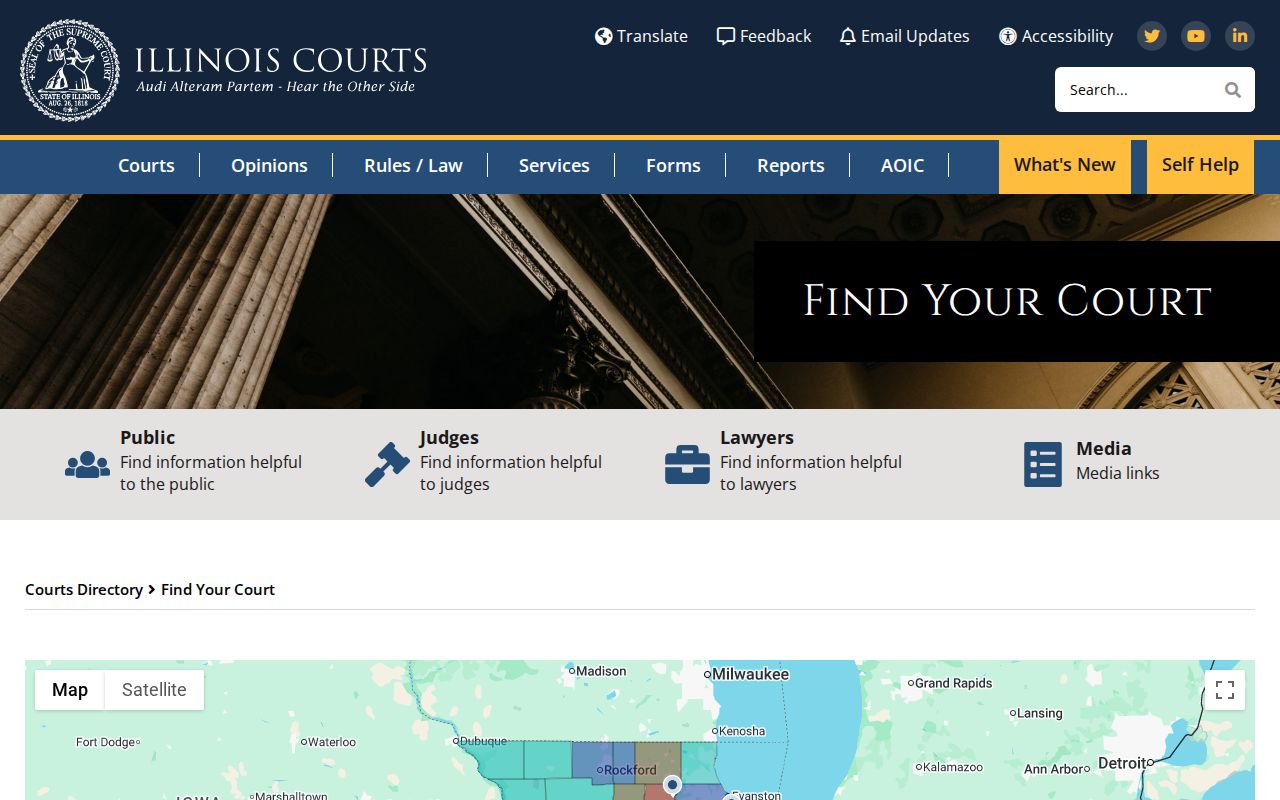
Begin with the county tied to the matter. Then ask its clerk which public case search or office can confirm the record.
- Pin down the likely county, court, or agency and the approximate case date. Use the county map or sheriff’s official site to find the proper contact.
- Ask the circuit clerk whether its public docket can show the relevant case and whether an active warrant can be confirmed through that office.
- Contact the issuing sheriff or police agency through an official public number if the clerk directs you there. Ask what public confirmation is available.
- If the question concerns a possible warrant for you or someone you represent, speak with a lawyer or the court about safe resolution. Do not rely on a third-party page or attempt to avoid contact with law enforcement.
Names vary: arrest, bench, fugitive, or absconder warrants. The public search route still depends on the issuing court or agency. The table here describes Illinois source context only, not a complete legal inventory.
| Warrant context | Where to verify | What the statewide source can tell you |
|---|---|---|
| County or court warrant | Issuing circuit clerk and sheriff or police agency | No single statewide public screen was confirmed; ask the local office what it can disclose. |
| IDOC fugitive or absconder matter | IDOC Wanted Fugitives page and its listed contact route | Correctional matters may be shown, but the page is not a recent-arrest roster. |
| Federal fugitive matter | USMS district and official fugitive sources | Federal scope only; a district page can be empty or change over time. |
Plenty of Illinois counties run their dockets through Judici. The platform only reaches courts that take part, though. Missing counties and case types stay outside it, so a clean search there never rules out a warrant elsewhere in the state.
Cook County keeps a separate clerk system instead. Its Circuit Court case search handles those dockets, so note the participating county and case limits before reading a missing result as clearance.
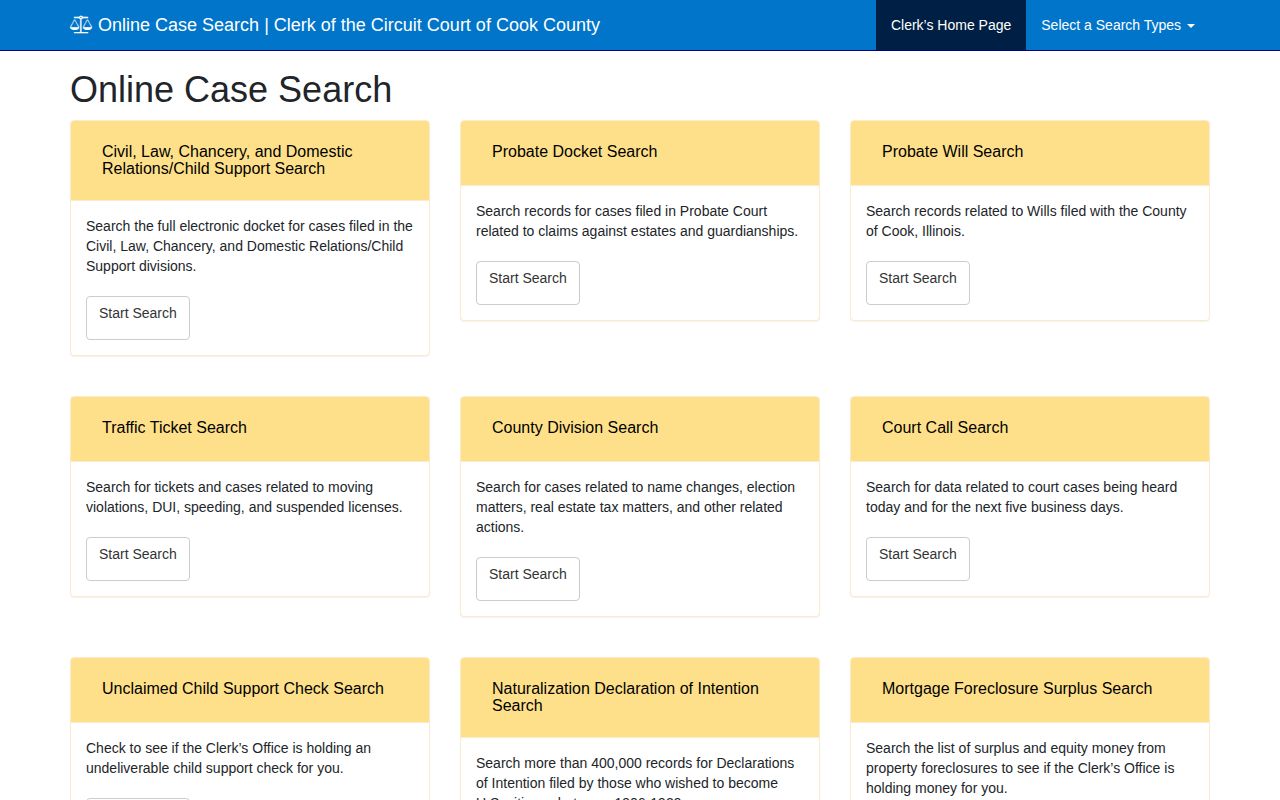
That Cook portal searches only its own court. It does not reach every Illinois warrant. Leave stale or mismatched notices alone. Contact the agency named on the record and ask it to confirm identity and status. The issuing court or agency, not an image on a reposted page, decides whether a warrant stays active.
Illinois County Wanted Notices
County sheriffs and police post wanted notices themselves. No common statewide format exists. Update schedules differ too. A county list may involve a local case absent from IDOC or federal pages, and an empty state or federal result is never a county warrant clearance. Start with the Illinois County Directory to reach the county site. From there, follow its official sheriff or police links. Confirm a notice is current before acting. Some counties hold arrestees in neighboring jails. The arresting agency and the holding jail may not be the same.
Note: The county, court, and holding jail can be different agencies, so check the source named on the record.
Illinois Arrest Record Follow-Up
Wanted notices and booking entries answer different questions. One asks the public for help locating a person who has not been found yet. The other logs an arrest or custody event. Neither shows the final court outcome. Once a person turns up or lands in custody, pull the arresting agency's record plus the court docket to check current charges, release, transfer, and disposition. A later dismissal, acquittal, sentence, or appeal can reshape how the case should be described. The Illinois arrest-record and mugshot hub lays out the statewide arrest and custody path. Save the agency and record date. Dates matter more than labels.
Confirm Illinois Wanted Status
A wanted page can outlive the case behind it. Old copies linger in search results. Start with the live agency notice. Then use the listed date or case detail to ask about current status. A page with no update date is a reason to verify, not proof the entry is active. IDOC warns that wanted information changes. Federal district pages can lack a current profile even while officers keep working fugitive cases.
Never treat a third-party arrest page as warrant confirmation. Names collide. A similar name may carry a different IDOC number, case, or status. A current custody entry may also be unrelated to an older wanted notice. When identity is unclear, do not share the name or image as a match. Ask the publishing agency what it can confirm.
This is record checking, not a public investigation, so do not hunt for addresses, contact relatives, follow anyone, or post guesses about where someone may be. If the agency asks for tips, hand over what you know. Trained officers decide what action is safe.
Note: A search engine can preserve an old snippet after the agency changes its notice, so confirm status at the live official source.
What Illinois Wanted Pages Leave Out
No statewide wanted list catches every local order. An empty federal profile page doesn't mean the person is clear. Agencies publish what serves their own purposes. One list may cover only a handful of names. Another might track a correctional status or a single federal program. None of them adds up to a full index of fresh arrests, county jail bookings, or every live warrant.
A photo tells you very little on its own. The agency name and the word fugitive can mislead too. IDOC's route might involve parole, custody, or an absconder matter rather than a new county charge. A federal fugitive notice often ties back to a case filed in a federal docket. Confirm a county notice with its issuing county.
Status shifts fast. Someone gets located, a notice gets pulled, or a page simply stops being maintained. If the official source can't confirm the entry, treat it as dated rather than active.
Illinois Warrant Record Steps
Start with the issuer. A warrant's next step depends on which court or agency put it out. Public pages rarely show the filing, service, cancellation, or later court action. Ask the issuing court what its records mean. If the warrant might name you, a lawyer can reach the court and map a lawful way to resolve it.
Warrants come from different tracks. One might grow out of a county case. Another could be an IDOC fugitive or absconder matter, or a federal investigation. Those paths never merge into one statewide public search. The table above points to the likely custodian. Only that custodian can confirm its own current record. A county clerk may send you to the sheriff or another agency. Follow that routing. Skip the third-party listing.
Once the warrant is handled, pull the docket or agency record for updated status. Keep the old notice and the follow-up distinct, since a search engine or secondary publisher may still surface a stale entry.